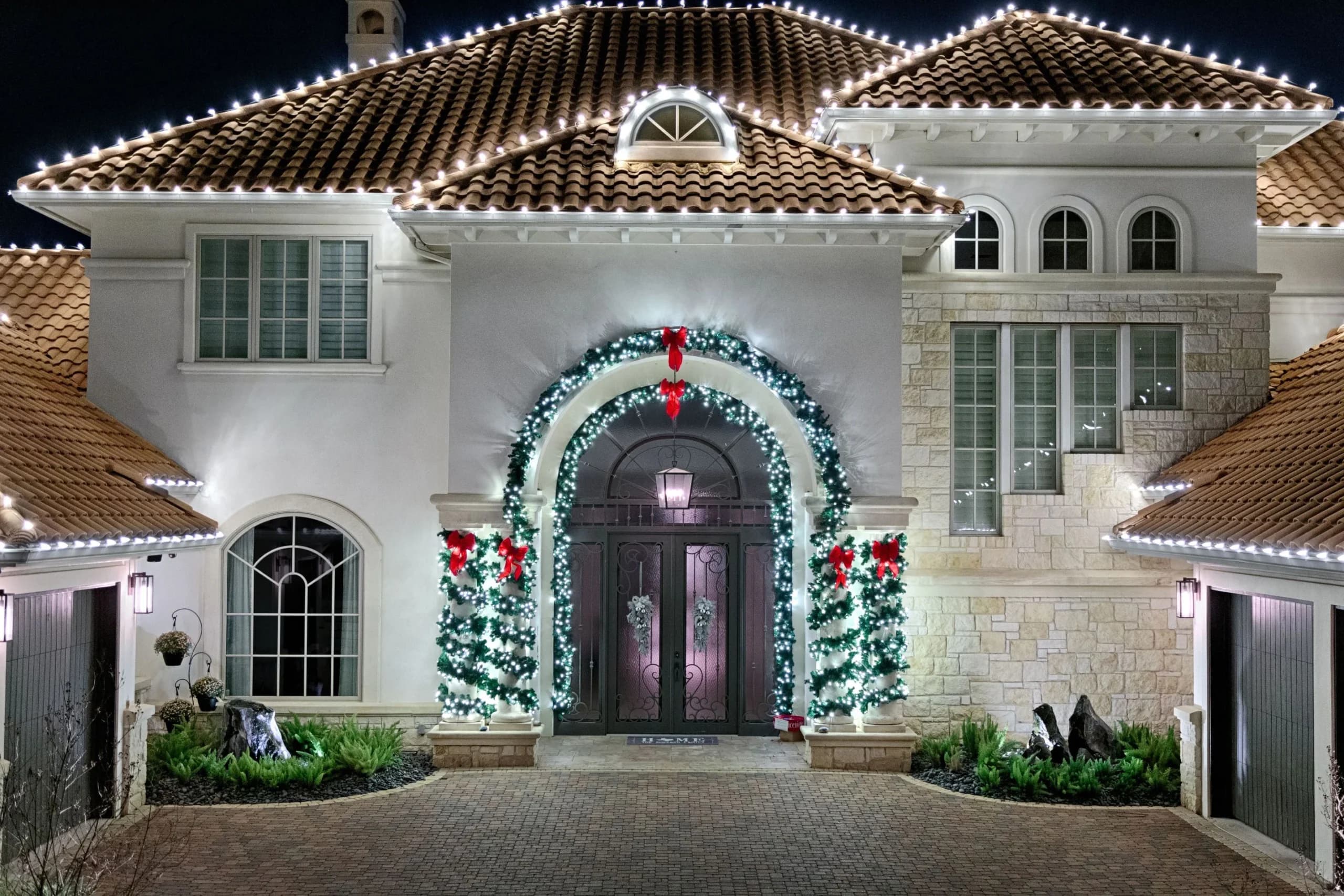
Not every path, patio, or seating area needs a poured slab. In Cary yards, there are three non-concrete hardscape options that solve most needs — often for less money, with better drainage, and with more design flexibility.
Why go non-concrete
Beyond cost, permeable hardscape has real environmental upside. The U.S. EPA green infrastructure program identifies permeable pavement, gravel, and mulched pathways as key homeowner-scale tools for reducing runoff and letting rainwater infiltrate on-site instead of flooding storm drains.
The North Carolina Department of Environmental Quality publishes similar guidance for residential stormwater management, and permeable surfaces are increasingly encouraged (and sometimes required) in newer subdivisions.
Option 1: Pavers
Pavers give you the clean, structured look of a poured surface with none of the disadvantages of a rigid slab. Individual units can be lifted and re-set if utility work is needed. Permeable paver systems let water flow between joints into a gravel base underneath.
Best for: Patios, walkways, driveways where design flexibility matters.
Considerations: Proper base prep is everything. A paver installation that skips the compacted gravel base + sand setting bed will heave and sink within a season. The National Association of Landscape Professionals publishes installation standards for paver hardscape that any competent installer should follow.
Option 2: Gravel
The most flexible option — and often the most overlooked. A gravel path with steel or aluminum edging looks intentional, drains beautifully, and can be installed in a weekend for a fraction of the cost of pavers.
Best for: Garden paths, informal seating areas, side-yard access, dog runs.
Considerations: Choose crushed granite or #57 crushed stone with fines that compact together. Pea gravel looks nice but shifts underfoot and doesn't compact — reserve it for decorative accents, not high-traffic paths.
Option 3: Mulch paths
For informal garden paths through beds, a wide bark or hardwood mulch path is often the right answer. It reads as intentional, ties visually into surrounding beds, and gets refreshed on the same schedule as the rest of your mulched areas.
Best for: Native garden paths, wooded areas, back corners where formality isn't the goal.
Considerations: Line the path with edging (steel, wood, or plastic) to keep mulch from migrating into surrounding beds. Refresh 1–2x per year.
Mulch paths integrate cleanly with pollinator-focused garden design — the Xerces Society recommends leaving areas of organic mulch and leaf litter as overwintering habitat for native bees and beneficial insects, and a mulched path doubles as exactly that habitat.
Choosing between them
For a rough decision framework:
- Formal, close to house, high foot traffic → pavers
- Utility path, side yard, informal patio → gravel
- Garden path, natural area, low traffic → mulch
The design context matters more than any single feature. The North Carolina Botanical Garden runs demonstration gardens that show how mixed hardscape (pavers near buildings, gravel in transitional zones, mulch in beds) creates a landscape that flows naturally from formal to wild — worth visiting if you're planning a full-yard redesign.
What about softscape integration
Whichever hardscape you pick, the plantings around it drive whether the whole thing works. Native plants (see the NC State Cooperative Extension plant portal for regionally-appropriate species) reduce maintenance and integrate visually. The American Horticultural Society publishes design principles specifically for hardscape-softscape integration in transition-zone gardens.
Get the base right, choose the material that matches how you'll use the space, and pair with plantings that thrive in your zone. That's the whole formula.
Cary Landscaping Team
Our expert team has been serving Cary and surrounding areas for over 12+ years, completing 500++ projects. We share our industry knowledge to help homeowners make informed decisions.